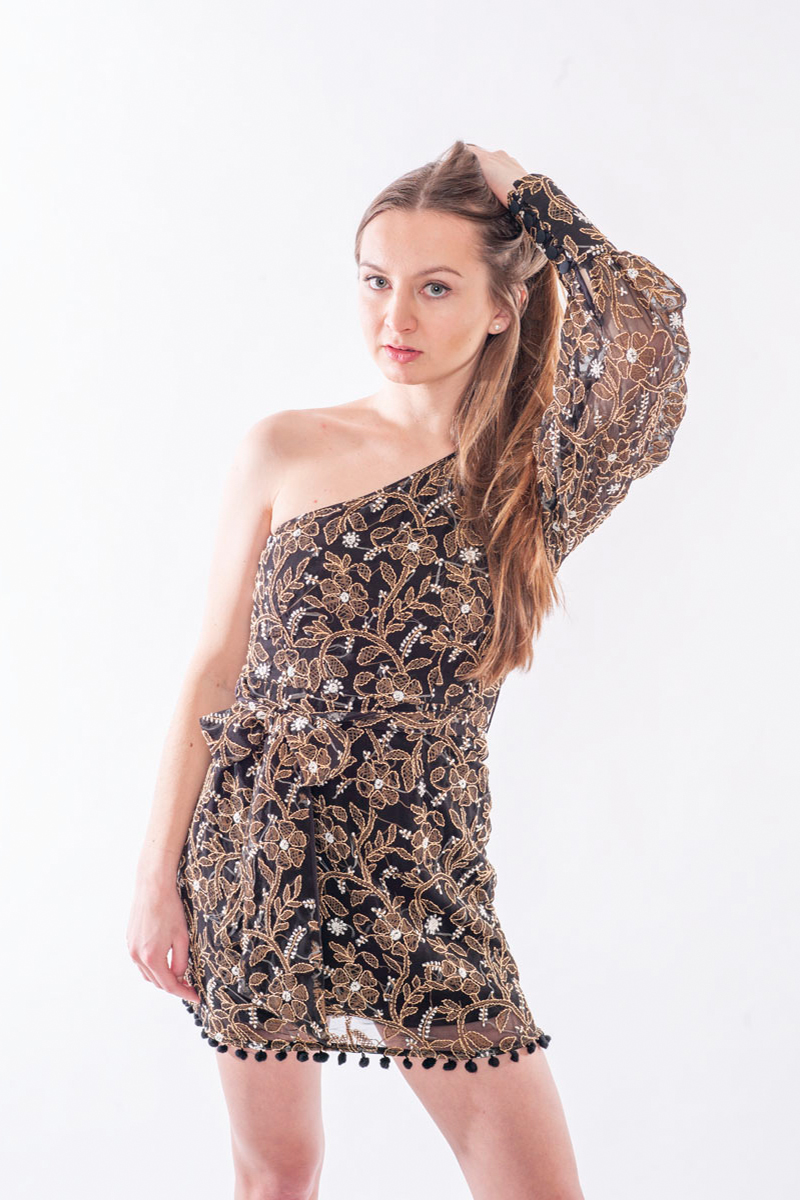



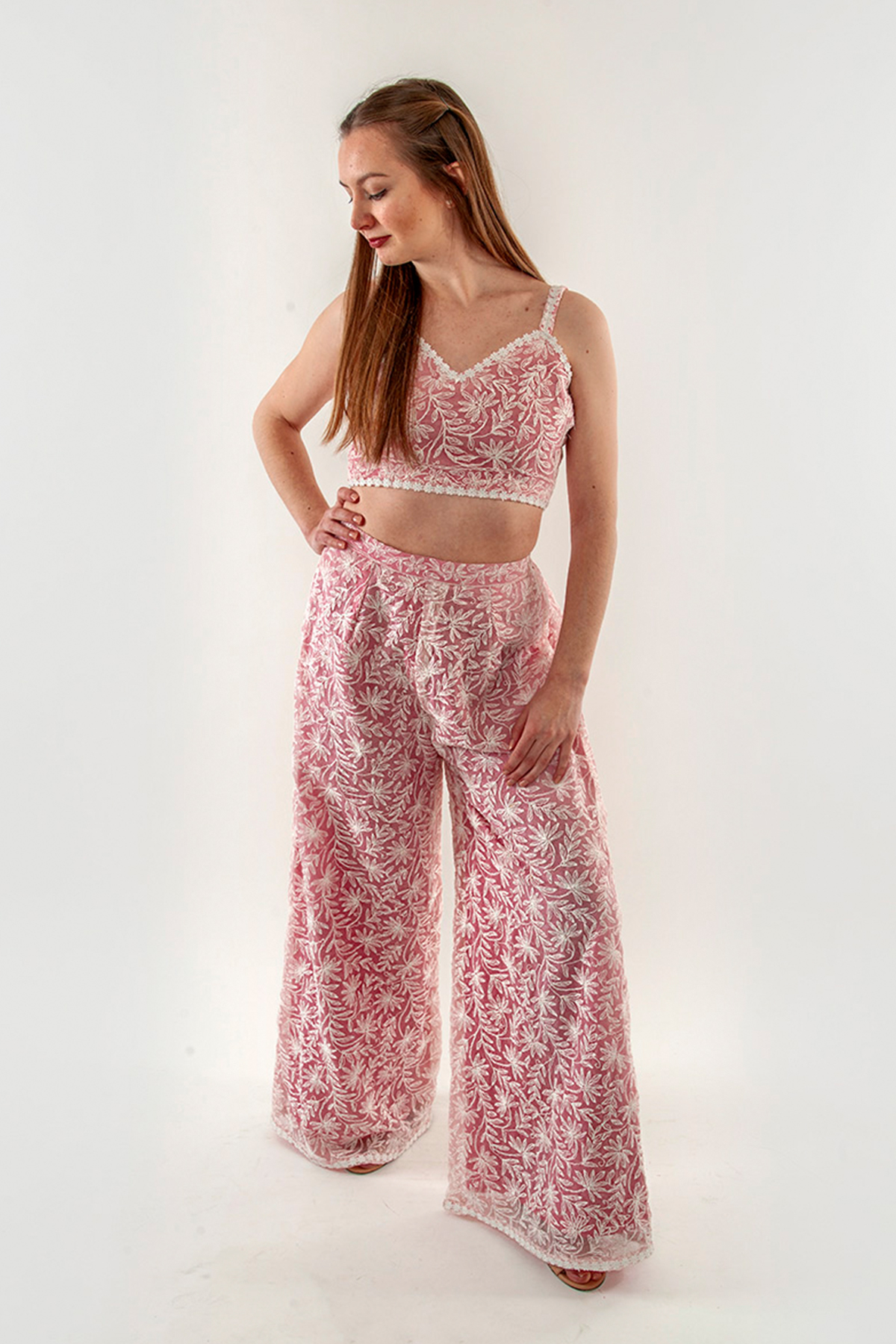
Top 7 Indian Fabrics That Define Sustainable Luxury in 2025
- By indirabishen
- Posted on
Top 7 Indian Fabrics That Define Sustainable Luxury in 2025
In the age of fast fashion and fleeting trends, the idea of “luxury” is shifting. It is no longer just about brand names or heavy embellishments — true luxury now means craftsmanship, sustainability and timeless value. In India, a rich heritage of textiles, hand-loom traditions and natural fibres is perfectly positioned for this shift. In this article, we’ll explore the top 7 Indian fabrics that embody sustainable luxury in 2025 — fabrics you’ll find in slow-fashion collections, artisan labels and conscious wardrobes.
1. Khadi – The Heritage Fabric of India
Khadi is hand-spun and hand-woven cloth traditionally made from cotton (though silk and wool variants exist).
Because it uses low-mechanisation, supports local weaving communities and connects to India’s freedom movement, Khadi carries both cultural and sustainable credentials. Designers today are re-imagining it for high-end apparel and fusion wear — making it a true sustainable luxury fabric.
While cotton is everywhere, what defines luxury here is the organic, hand-loom produced, slow-manufactured cotton varieties. According to recent reporting, these fabrics are being revived for their breathable texture, low environmental footprint and artisan value. These cotton textiles prove that comfort and elegance can go hand-in-hand with conscientious production.
Muga silk is a wild silk variety from Assam, known for its natural golden colour and durability. Because it is regionally produced (with GI status), uses fewer chemicals and carries artisan value, it fits perfectly into the sustainable luxury narrative: a premium fabric, rooted in heritage, produced responsibly.
Luxury Indian silk fabrics such as Banarasi and Kanchipuram have traditionally symbolised opulence. What’s changing is the production model: artisan-led, hand-loom, low-waste methods are being emphasised. When you buy these fabrics made via ethical weaving houses, you’re investing in sustainable luxury — not just fleeting glam.
Sustainable luxury is increasingly about what the fibre is. Fabrics like linen (flax-based), hemp and Tencel (lyocell) blends are getting traction in India’s slow-fashion market due to low water usage, durability and minimal chemical processing.
These materials offer a minimalist yet high-end aesthetic — ideal for those looking to combine ease with conscious style.
Smaller regional textiles, such as the hand-loom GI-tagged fabrics from Koraput (Kotpad) and other tribal weaves, are making their way into luxury wardrobes. These fabrics bring a strong story of craft, community and sustainable value — fulfilling what “luxury” means in the new era: authenticity and connection.
What ties many of these fabrics together is the method of production — hand-loom, artisanal craftsmanship, and natural or low-impact dyes. According to industry insights, eco-luxury textiles are defined by their premium fibre, traceable origin and sustainable manufacture.
When you choose a textile that is hand-woven, uses minimal chemicals, supports artisan communities and promises longevity, you are choosing sustainable luxury.
Why These Fabrics Matter Now
- They reduce “fast-fashion” waste by being made to last.
- They support artisan communities and hand-loom traditions, preserving cultural heritage.
- They often use fewer resources (water, energy) and less synthetic chemicals.
How to Choose & Invest in These Fabrics
- Check the fibre origin & production method: Look for hand-loom, GI tags, artisan mentions.
- Feel the texture: Premium luxury fabrics often have richer hand-feel, natural drape and unique irregularities (sign of handmade).
- Ask about dyeing & finishing: Natural dyes or low-impact processing matter for sustainability.
- Choose timeless design: Because they cost more (artisan value, slower production) you want items that stay relevant.
FAQs
Q.1: What is Chikankari embroidery?
Chikankari is a traditional hand embroidery technique that originated in Lucknow, India. It involves delicate and intricate threadwork—usually white on pastel fabrics—featuring floral, paisley, and geometric patterns.
Q.2:What fabrics are used for Chikankari?
Chikankari embroidery is most commonly done on lightweight, breathable fabrics such as cotton, muslin, chiffon, georgette, silk, and organza. The fabric choice enhances the fine detailing and soft texture of the embroidery.
Q.3: How can I identify original Chikankari work?
To identify authentic Chikankari:
Check the back side—hand embroidery shows visible knots and uneven threads.
Feel the texture—it should be soft and slightly raised.
Watch for minor imperfections, which indicate handmade craftsmanship.
Machine embroidery looks perfectly uniform and often lacks depth.
Discover the Elegance of Original Chikankari Embroidered Kurtis :
Conclusion
The landscape of luxury in India is transforming. It’s no longer simply about shine or label — it’s about fibre, craft, ethics and longevity. The top 7 Indian fabrics above serve as a roadmap for those who wish to invest in sustainable luxury pieces that matter — fabrics that not only look premium but carry meaningful value.
By choosing garments and textiles made from these materials, you embrace a fashion philosophy rooted in heritage, craftsmanship and responsibility