


Chikankari Sarees vs. Georgette Sarees: What’s the Difference?
- By indirabishen
- Posted on
Chikankari Sarees vs. Georgette Sarees: What’s the Difference?
When it comes to timeless Indian elegance, sarees hold a special place in every wardrobe. Among the most admired types are Chikankari sarees and Georgette sarees — both loved for their beauty and grace. But what sets them apart? Let’s explore how these two iconic saree styles differ in terms of fabric, craftsmanship, comfort, and style.
1. Fabric & Texture
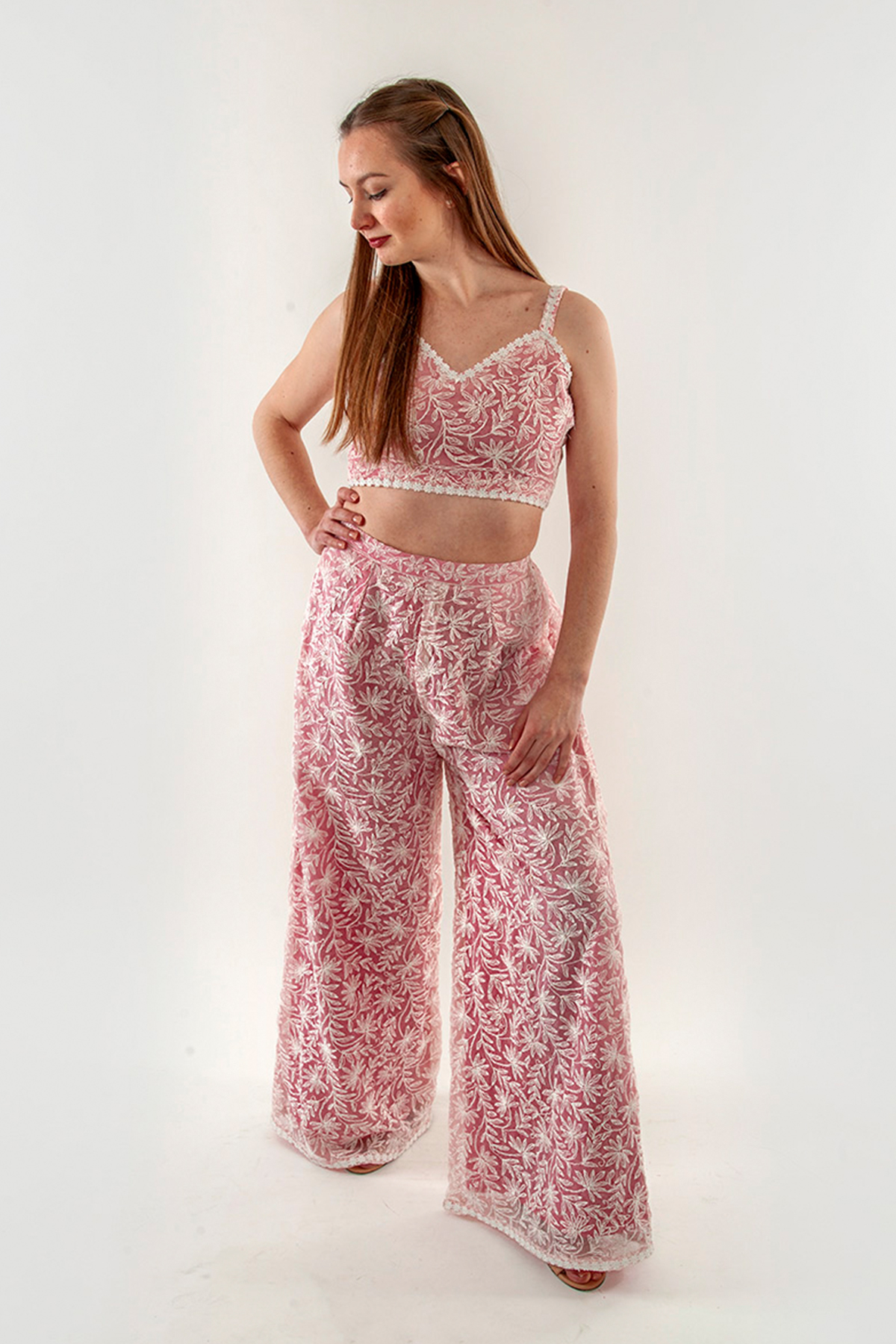
- Chikankari Sarees are traditionally crafted on lightweight cotton, muslin, or organza fabrics. Their charm lies in the hand-embroidered thread work that gives them a soft, elegant feel.
- Georgette Sarees, on the other hand, are made from a semi-transparent synthetic or silk blend fabric known for its flowy drape and slightly crinkled texture.
- Key Difference: Chikankari focuses on embroidery craftsmanship, while Georgette highlights the fabric’s fluidity.
- Chikankari Sarees originate from Lucknow, Uttar Pradesh, and are a part of India’s cultural heritage. Every motif — from paisleys to florals — is hand-embroidered using traditional stitches like bakhiya, phanda, and murri.
- Georgette Sarees trace their origin to France, named after the designer Georgette de la Plante. These sarees are machine-woven and can be printed, dyed, or embellished.
- Chikankari Sarees are ideal for summer and day functions, thanks to their breathable, lightweight nature.
- Georgette Sarees suit evening events and weddings, as their glossy, flowing texture adds glamour.
- Chikankari: Requires gentle hand washing or dry cleaning to preserve the delicate embroidery.
- Georgette: Easier to maintain and more durable against wrinkles.
- Chikankari Sarees pair beautifully with silver jewelry and pastel blouses for a sophisticated ethnic look.
- Georgette Sarees allow bolder styling — sequined blouses, high heels, and vibrant accessories
Conclusion
Both Chikankari and Georgette sarees have their unique charm. While Chikankari celebrates heritage and craftsmanship, Georgette stands for modern elegance and versatility. Owning both ensures your wardrobe covers every occasion — from a graceful day event to a glamorous evening celebration
FAQs
Q.1: What is Chikankari embroidery?
Chikankari is a traditional hand embroidery technique that originated in Lucknow, India. It involves delicate and intricate threadwork—usually white on pastel fabrics—featuring floral, paisley, and geometric patterns.
Q.2:What fabrics are used for Chikankari?
Chikankari embroidery is most commonly done on lightweight, breathable fabrics such as cotton, muslin, chiffon, georgette, silk, and organza. The fabric choice enhances the fine detailing and soft texture of the embroidery.
Q.3: How can I identify original Chikankari work?
To identify authentic Chikankari:
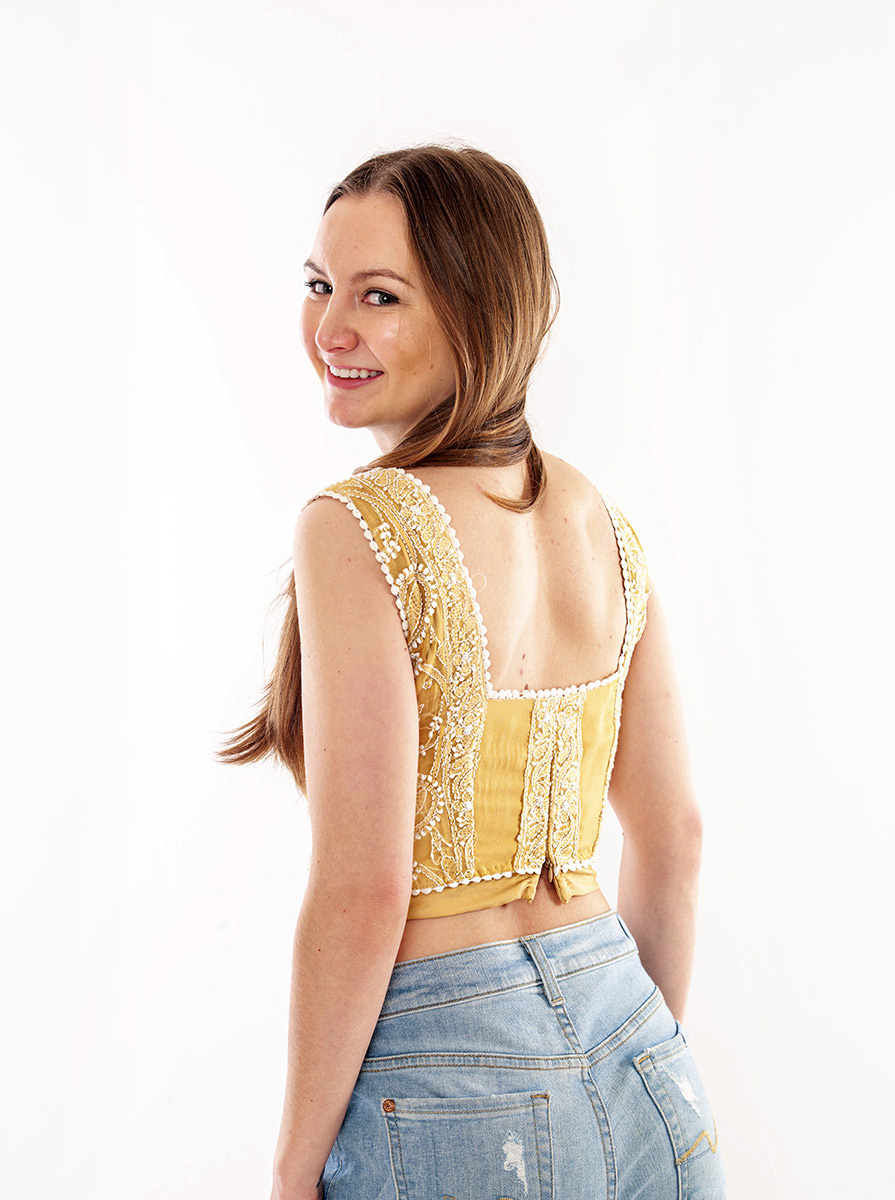
Check the back side—hand embroidery shows visible knots and uneven threads.
Feel the texture—it should be soft and slightly raised.
Watch for minor imperfections, which indicate handmade craftsmanship.
Machine embroidery looks perfectly uniform and often lacks depth.
Discover the Elegance of Original Chikankari Embroidered Kurtis :
Conclusion
The landscape of luxury in India is transforming. It’s no longer simply about shine or label — it’s about fibre, craft, ethics and longevity. The top 7 Indian fabrics above serve as a roadmap for those who wish to invest in sustainable luxury pieces that matter — fabrics that not only look premium but carry meaningful value.
By choosing garments and textiles made from these materials, you embrace a fashion philosophy rooted in heritage, craftsmanship and responsibility