


How Celebrities Are Bringing Chikankari to Global Fashion Runways
- By indirabishen
- Posted on
How Celebrities Are Bringing Chikankari to Global Fashion Runways
From the royal courts of Lucknow to the red carpets of Paris, Chikankari embroidery has made an incredible journey. Once seen as a traditional Indian craft, this intricate hand embroidery is now a global fashion statement. In 2025, more and more celebrities, designers, and influencers are embracing Chikankari — redefining how the world views Indian craftsmanship.
Let’s explore how this timeless embroidery has taken over international fashion runways and celebrity wardrobes alike.
1. The Timeless Appeal of Chikankari
- Chikankari is more than embroidery — it’s art in motion. The delicate needlework, soft color palettes, and graceful motifs make it versatile for both ethnic and modern designs.
- International designers are now experimenting with Chikankari on gowns, capes, jumpsuits, and red carpet looks, blending Indian heritage with Western silhouettes.
From Bollywood icons to global superstars, Chikankari is now a favorite among style icons:
- Bollywood Divas have been seen in pastel Chikankari sarees, anarkalis, and fusion gowns at international film festivals.
- Hollywood Stars are collaborating with Indian designers, wearing Chikankari-inspired ensembles on red carpets and award shows.
- Global Influencers often feature Chikankari kurtas and co-ord sets in sustainable fashion campaigns.
Renowned Indian designers have played a huge role in bringing Chikankari to international platforms:
- Abu Jani & Sandeep Khosla: Known for reviving traditional embroidery in haute couture.
- Manish Malhotra: Introduced modern silhouettes using Chikankari fabrics for bridal couture.
- Anita Dongre: Highlighted sustainable Chikankari in eco-friendly global collections.
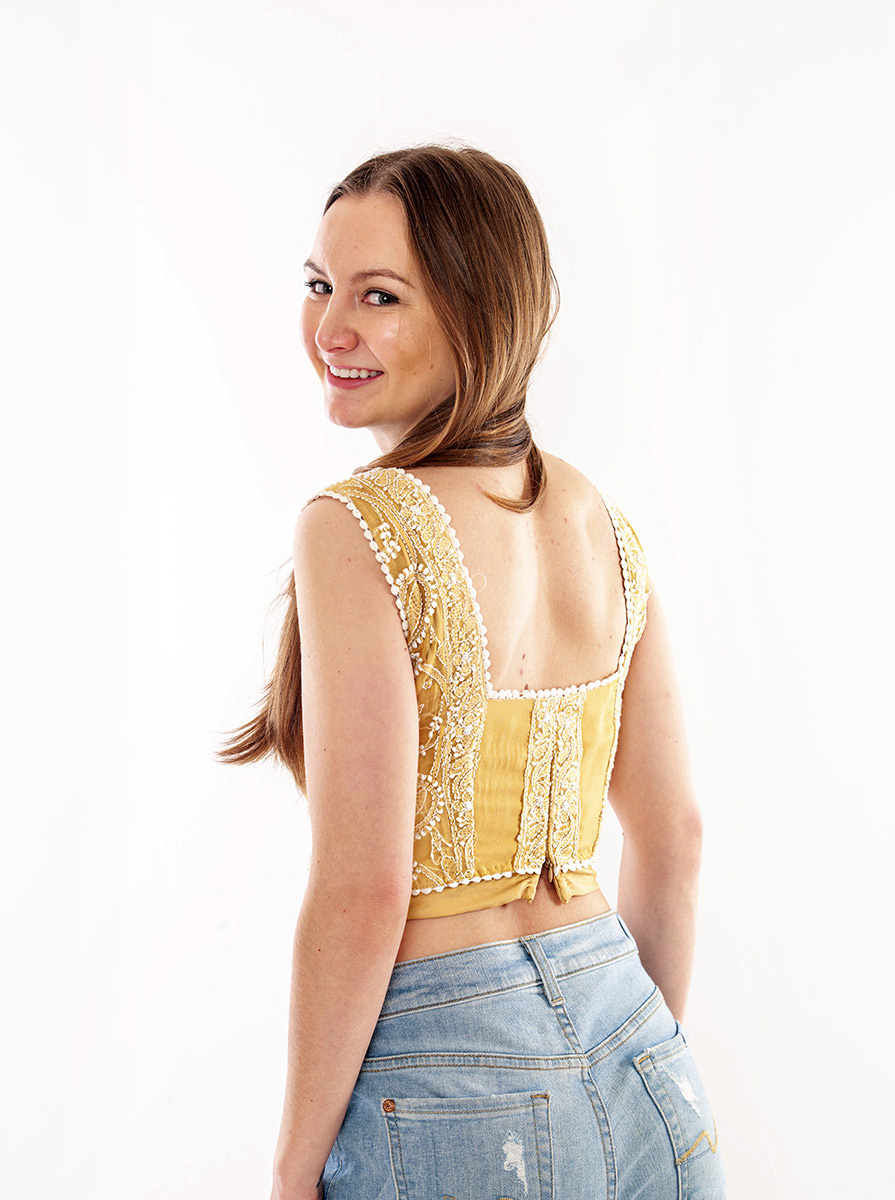
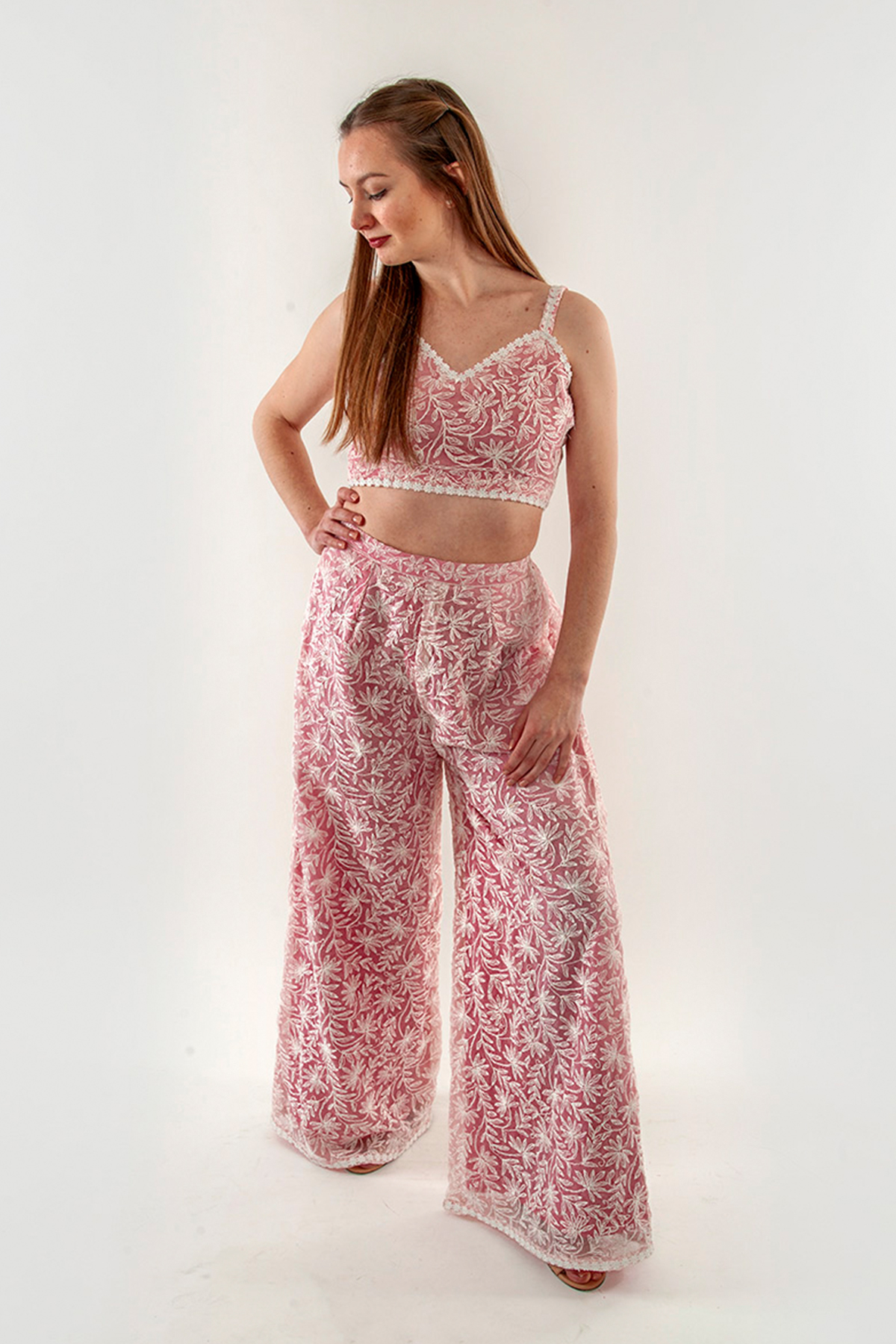
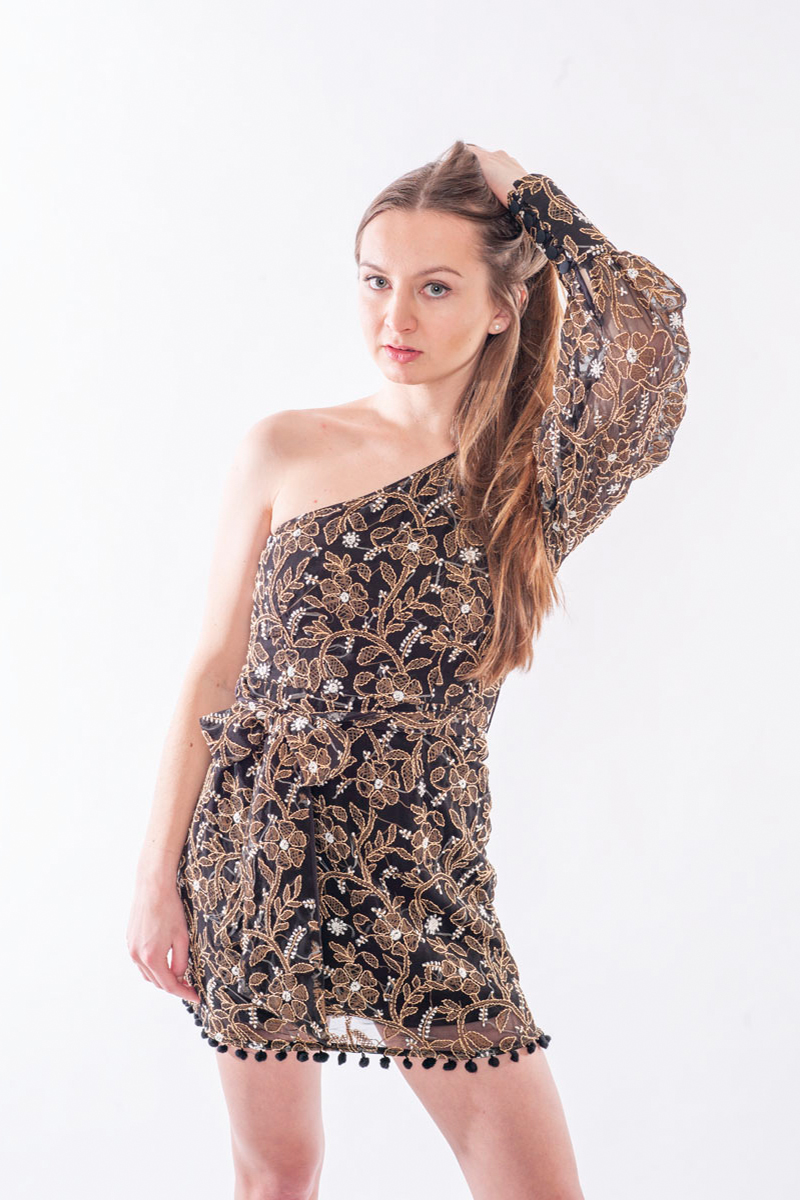
Today, Chikankari outfits are showcased in Paris, Milan, and New York Fashion Weeks, proving that Indian heritage can be both traditional and trendsetting.
Chikankari has evolved beautifully beyond sarees and kurtas:
- Chikankari blazers, skirts, and gowns are redefining Indo-Western fusion wear.
- Celebrities are styling these with minimal jewelry, soft makeup, and nude tones to keep the look global yet rooted.
In 2025, sustainability isn’t a trend — it’s a responsibility.
Each Chikankari outfit represents slow fashion, supporting Indian artisans and eco-friendly practices. Global fashion houses now recognize this as ethical luxury, merging aesthetics with purpose.
Conclusion
Chikankari has truly conquered global fashion — not just as an embroidery technique, but as a cultural emblem of India’s elegance and artistry. With celebrities wearing it on runways and red carpets worldwide, this craft continues to inspire designers, empower artisans, and elevate India’s fashion identity across the globe.
FAQs
Q.1: What is Chikankari embroidery?
Chikankari is a traditional hand embroidery technique that originated in Lucknow, India. It involves delicate and intricate threadwork—usually white on pastel fabrics—featuring floral, paisley, and geometric patterns.
Q.2:What fabrics are used for Chikankari?
Chikankari embroidery is most commonly done on lightweight, breathable fabrics such as cotton, muslin, chiffon, georgette, silk, and organza. The fabric choice enhances the fine detailing and soft texture of the embroidery.
Q.3: How can I identify original Chikankari work?
To identify authentic Chikankari:
Check the back side—hand embroidery shows visible knots and uneven threads.
Feel the texture—it should be soft and slightly raised.
Watch for minor imperfections, which indicate handmade craftsmanship.
Machine embroidery looks perfectly uniform and often lacks depth.
Discover the Elegance of Original Chikankari Embroidered Kurtis :
Conclusion
The landscape of luxury in India is transforming. It’s no longer simply about shine or label — it’s about fibre, craft, ethics and longevity. The top 7 Indian fabrics above serve as a roadmap for those who wish to invest in sustainable luxury pieces that matter — fabrics that not only look premium but carry meaningful value.
By choosing garments and textiles made from these materials, you embrace a fashion philosophy rooted in heritage, craftsmanship and responsibility